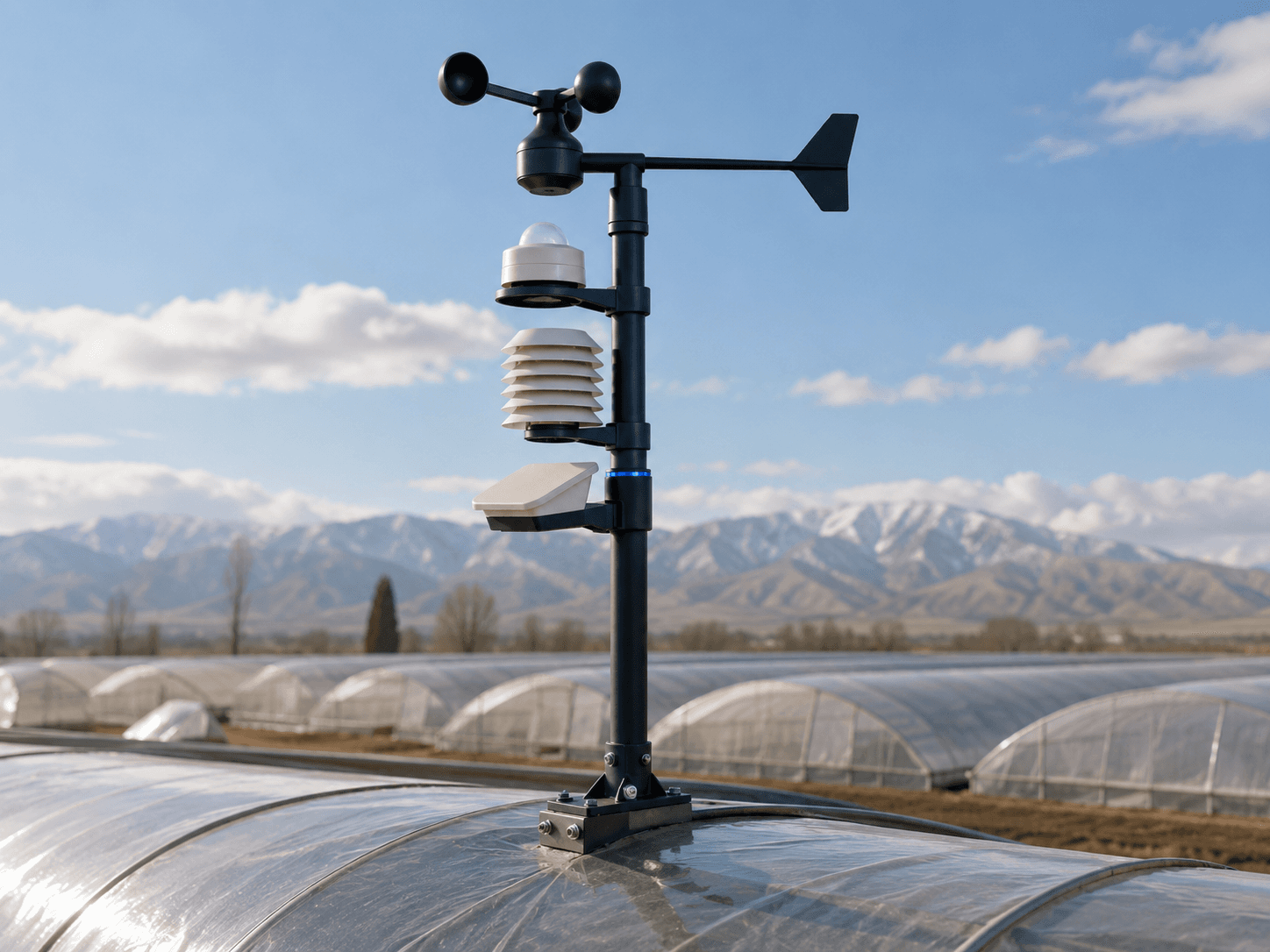
Energy is life-or-death
Heating can be up to half of production cost. A single cold night without heat doesn't dent margins — it ends the harvest.
Tashkent · Inno Technopark Electronics Laboratory
Rovion builds AI climate intelligence for greenhouses and cold storage — engineered for markets where the gas cuts out and the grid fails.

The problem
At 3 a.m. the gas pressure sags below what the boiler needs. The flame drops. No one is awake to notice. Inside temperature slides one degree, then five, then past the point the crop can survive — and by sunrise a whole season is dead in the rows. The failure was not dramatic. It was quiet, and it was survivable if anyone had known in time.
Heating can be up to half of production cost. A single cold night without heat doesn't dent margins — it ends the harvest.
Gas cuts and brownouts are routine, not rare. Existing alarms tell you what already happened; they don't keep you competitive.
There aren't enough agronomists and refrigeration engineers to sit over thousands of sites through every winter night.
Platform
Start with eyes and an alarm chain. Climb to a full climate computer, then to AI that runs the greenhouse on its own. Each rung is a product; together they are the Autonomy Ladder, R1 → R4.
Monitoring + a 60-second alarm chain.
The full climate computer.
AI energy autonomy.
The greenhouse runs itself.
Chamber + produce-core monitoring for cold storage.
Aql · the AI layer
Most climate AI assumes reliable gas, power and internet. Aql assumes the opposite and plans around it — the failures are the design brief, not the edge case.
When heating fails, Aql predicts the time until the crop hits its critical temperature — not "gas off" but "critical in ~47 minutes — backup started."
The world's first AI for solid-fuel agriculture: burn-down prediction and refuel scheduling so a coal boiler is managed like a modern one — refuel recommended ~02:30, before the fire runs low.
Predictive pre-cooling before power cuts — the thermal-battery idea inverted for failing grids. Pull the chamber colder ahead of an outage so produce rides it out.
A voice-first Uzbek and Russian Telegram agent, grounded in the farm's own telemetry — answers about this greenhouse, not the internet's average one.
Bugun kechasi sovuq bo'ladimi?
Ha — soat 04:00 da tashqarida −6°C. Isitishni oldindan yoqdim, ichkarida +18°C ushlab turaman.
Gaz yetadimi?
Gaz bosimi 4.2 kPa, barqaror. Agar tushsa, zaxira isitish 60 soniyada yoqiladi va sizga qo'ng'iroq qilaman.
Waze for infrastructure failure.
Farms share one fleet network. When gas-pressure sags in one district, farms downstream are warned before their own pressure drops — a failure map, updating in real time.
Predictive climate control is documented to cut fuel 15–30%; autonomous-growing AI has beaten expert growers in international trials. Rovion brings this class of technology to conditions it has never served.
Hardware
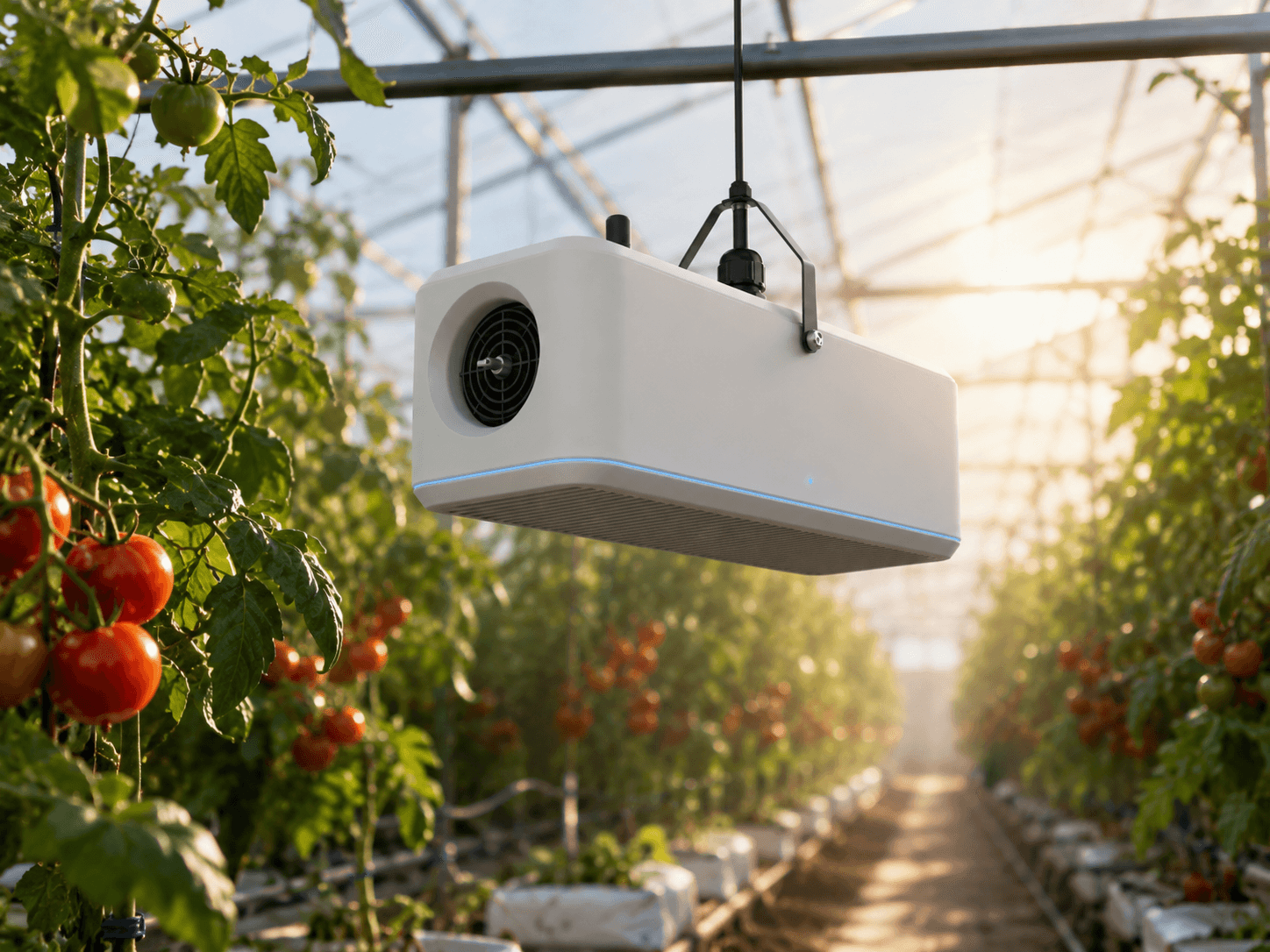
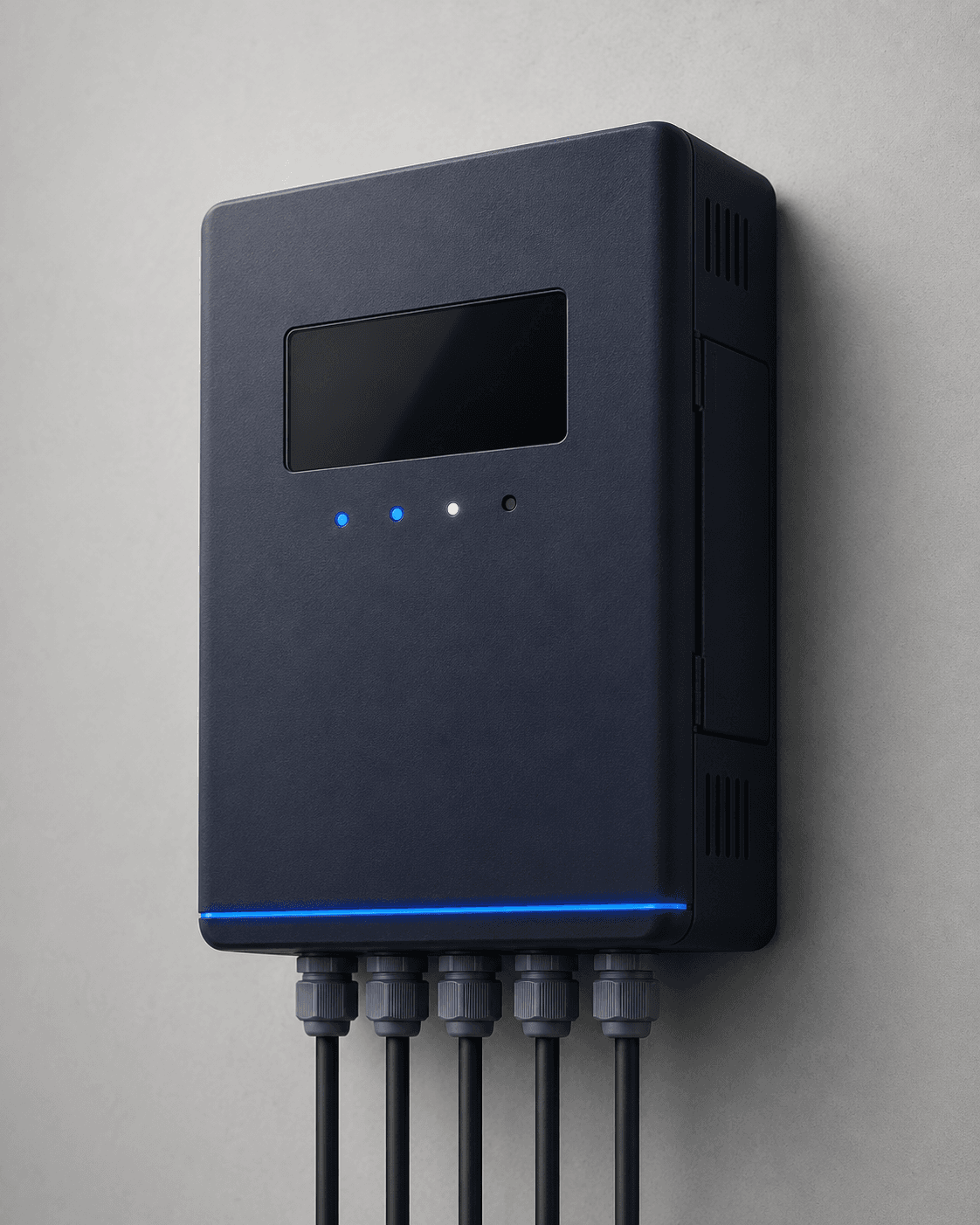
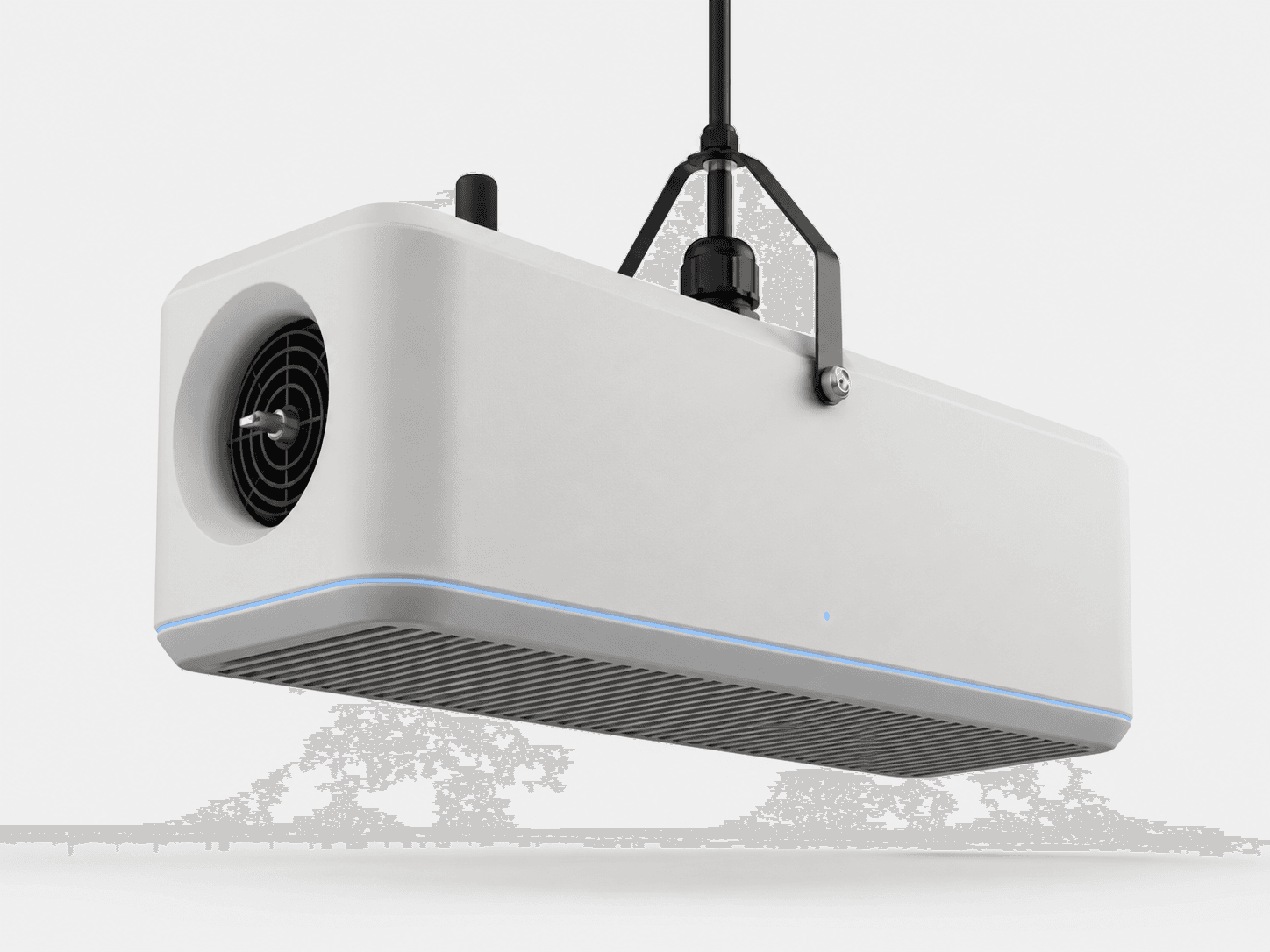
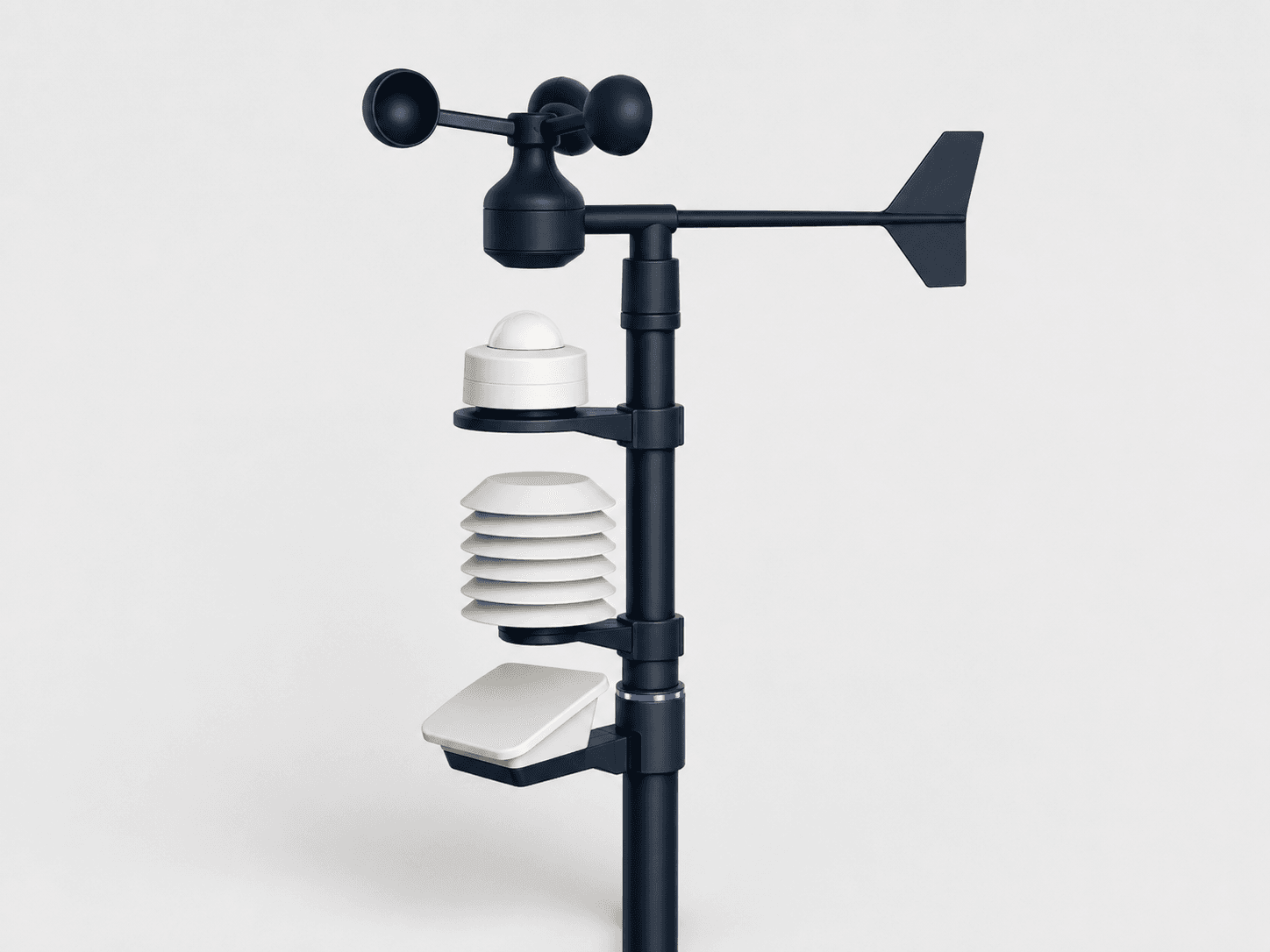
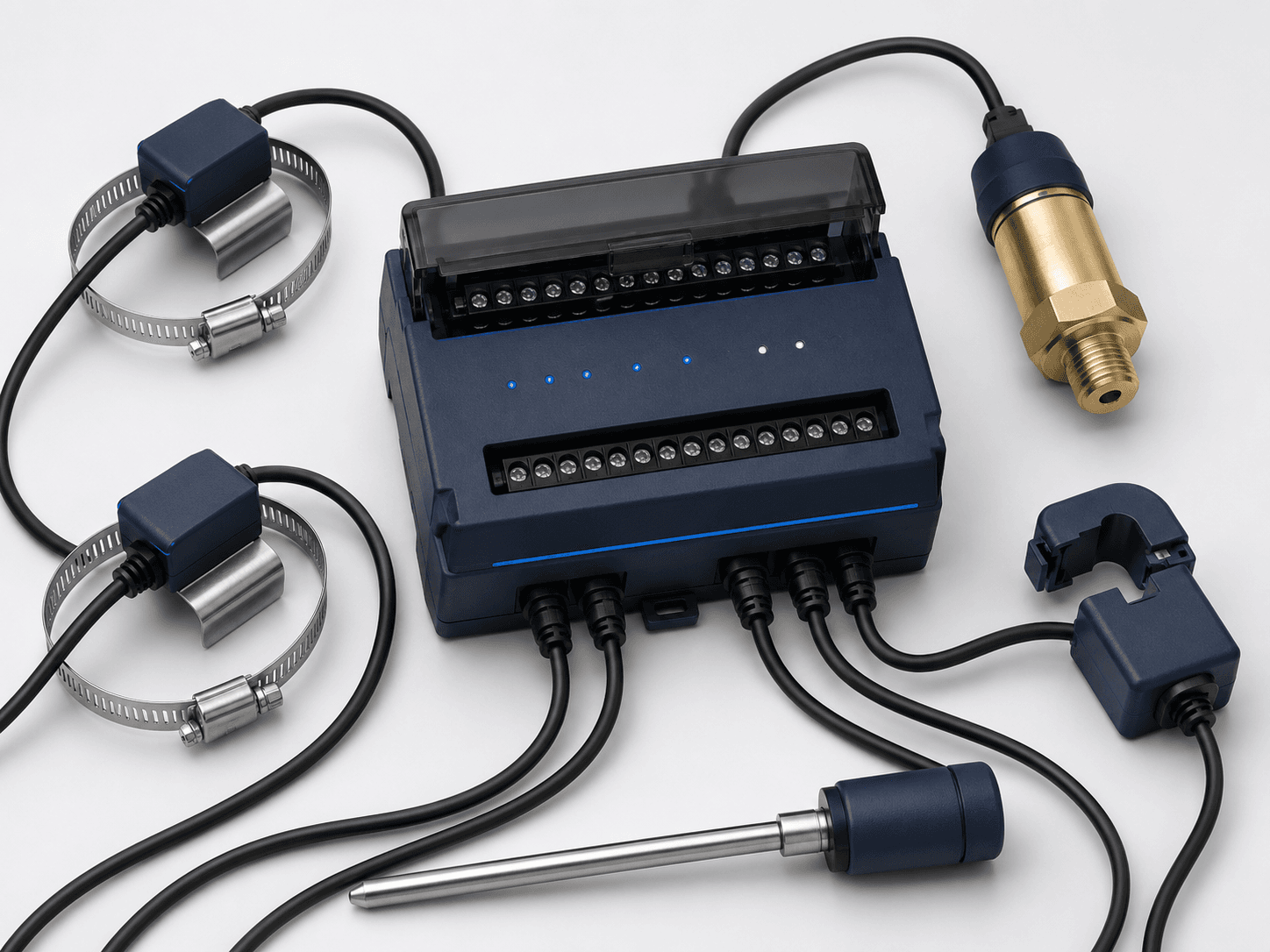
One product family across four sensing worlds — air, root zone, weather and machines — plus cold storage. Powder-coat navy for powered devices, warm white for the nodes that live among the plants.
Live demo
The demo dashboard streams a realistic simulation of a Rovion-equipped greenhouse — thermal model, weather, alarms, the 47-Minute Engine — exactly as operators will see it. First live installation: Inno Technopark greenhouse, autumn 2026.
Team

Founder & CEO
Computer Science student at Penn State and an El-Yurt Umidi Foundation scholar. Embedded software engineer at Inno Technopark's Electronics Laboratory in Tashkent, working on STM32 firmware and CANSAT. Roughly three years of hands-on robotics and embedded systems — Arduino, ESP32, LoRa — largely self-taught, and a mentor in Inno's acceleration program. At Rovion he leads firmware, product and fundraising.

Computer Engineering
Computer Engineering at Arizona State University. El-Yurt Umidi scholar and Presidential School graduate.

Electrical Engineering
Electrical Engineering at Penn State. Mathematics olympiad medalist.
+ mechanical engineering and business co-founders — a five-person team building for home.
Roadmap
Live sensors feeding a 60-second Telegram and voice alert chain, presented at Inno Technopark.
Greenhouses and a cold store near Tashkent, with Guardian Relay backup-heat failover.
The first labeled failure dataset and thermal twins from a real Central Asian winter.
Commercial installations and the Core climate computer in the field.
Cold Store Pro at scale, expansion to Kazakhstan, and the Aql AI tier.